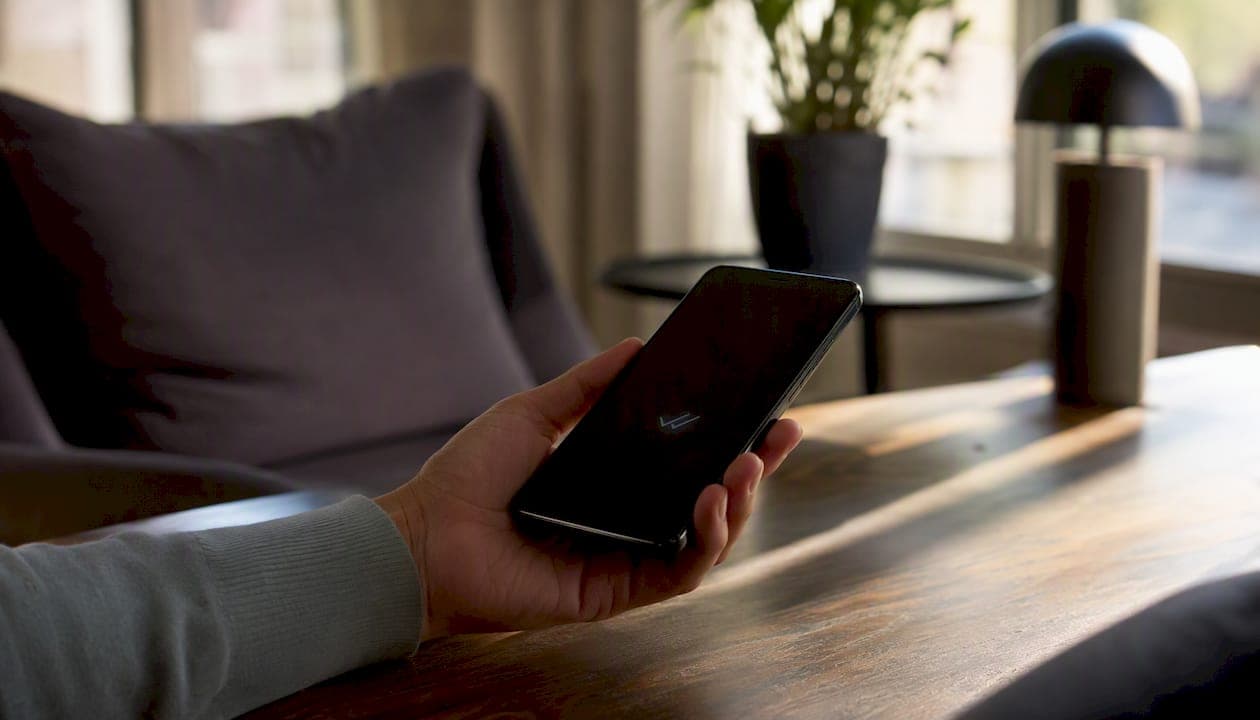
A read receipt most often means the person saw your message and hasn't replied yet, not that they're ignoring you, rejecting you, or done with the conversation. Licensed therapist Saba Harouni Lurie, visibility strategist Patrice Williams-Lindo, and research from Ghost Text all point to the same starting position: seen-but-no-reply is almost always about the reader's circumstances, not your worth.
Before you spiral, here are three moves:
- Calm the reframe first. Remind yourself that reading a message and replying are two separate cognitive tasks. Most people open texts reflexively, then reply when they have bandwidth.
- Wait before following up. In dating, give it 24 hours for a casual message. For friends or family, a same-day nudge is fine. For work, 4–8 hours on a non-urgent ask is reasonable.
- Send one low-drama follow-up if needed. Something like "Hey, just checking in on this!" is enough. One message. Not three.
Key Takeaways
A read receipt signals that a message was seen — not that the person has decided anything about you or the relationship.
| Point | Details |
|---|---|
| Seen doesn't mean ignored | Most read-but-no-reply situations reflect busyness, social burnout, or planning a reply — not rejection. |
| Context sets the timeline | Dating warrants a 24-hour wait; professional messages, 4–8 hours; friends and family, same day for logistical asks. |
| Patterns matter, not instances | One slow reply is noise. Repeated seen-but-no-reply on emotional asks is a signal worth addressing directly. |
| Name your norms early | Explicit texting agreements — reply windows, urgent tags, receipt settings — prevent most anxiety before it starts. |
| Ghosttextai reads the signals | Ghosttextai analyzes tone, intent, and red flags in any conversation and generates contextually matched reply suggestions. |
Table of Contents
- What are the most common reasons someone read your text but didn't reply?
- Why read receipts feel so personal
- How context changes what a read receipt likely means
- Exact reply templates for every context and urgency level
- Red flags versus isolated slow replies
- How to set healthy texting norms before problems start
- Immediate tactics to reduce texting anxiety while you wait
- The assumption gap is where most texting pain lives
- Ghosttextai helps you read the room before you reply
- Sources
What are the most common reasons someone read your text but didn't reply?
People read messages without replying for reasons that are almost always mundane. Applied psychology reporting confirms the most frequent explanations are workload, forgetting, and planning to reply later — not rejection.
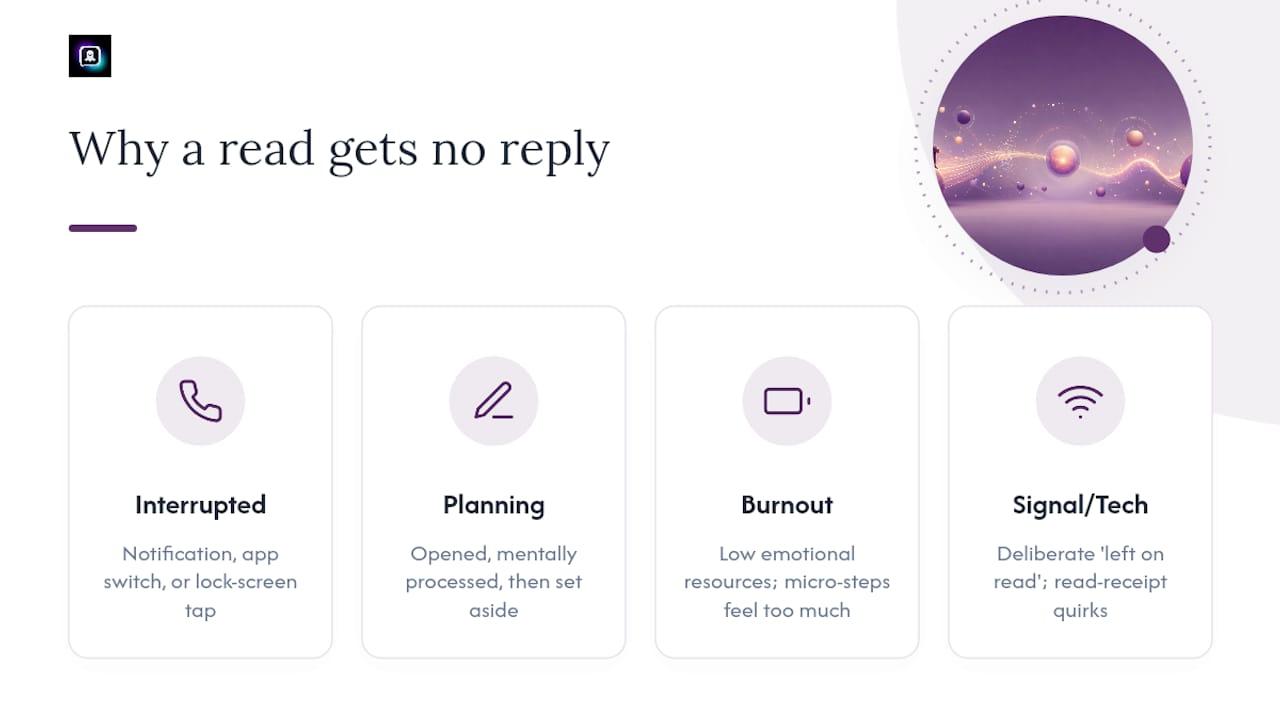
1. They got pulled away mid-read. A notification popped, someone walked in, or they switched apps. This is the single most common one-off explanation, especially for longer messages that need a thoughtful reply.
2. They're planning what to say. Emotional or complex messages often get opened, mentally processed, and then set aside while the person figures out how to respond. This is a sign they're taking it seriously, not brushing you off.
3. Social burnout. The chain of micro-steps — open, recall context, compose, send — can feel like too much when someone's emotional resources are low. Psychology Today notes that social burnout is a genuine driver of delayed replies, not a character flaw.
4. They forgot. Phones are noisy. A message gets read, another notification fires, and yours slides off the screen. This is a pattern-level problem only if it happens repeatedly with the same person on important asks.
5. Emotional avoidance. If the message touched on something uncomfortable — a conflict, a request for more commitment, a hard question — some people need time before they can engage. One instance is human. A consistent pattern on emotional topics is worth noting.
6. Accidental open. Notification previews and lock-screen taps register as "read" on many platforms. The person may not have actually read a word.
7. Intentional signaling. In dating especially, qualitative research shows that people sometimes leave messages on read deliberately to manage impressions or slow down a dynamic they feel is moving too fast. This is a one-off signal in early dating; a repeated pattern is a different conversation.
8. Technical or platform quirks. Group chats, iMessage on Wi-Fi, and cross-platform messaging all have read-receipt inconsistencies. The "seen" timestamp isn't always what it appears.
Why read receipts feel so personal
The sting of "left on read" isn't irrational. It's the product of three well-documented psychological mechanisms.
Intolerance of uncertainty is the tendency to find ambiguous situations more distressing than clear-cut bad news. When you can see that someone read your message but haven't replied, you have partial information — and partial information is harder to sit with than silence. Psychology Today's coverage of texting anxiety identifies this as a primary driver of the rumination that follows a seen-but-no-reply.
Open loops are unfinished cognitive tasks that the brain keeps returning to — the mental equivalent of a tab you can't close. A message you sent but haven't gotten a response to stays active in working memory, which is why you keep checking your phone every few minutes.
Illusion of availability is the expectation, created by smartphones, that people are always reachable. Therapist Saba Harouni Lurie puts it directly:
Mashable's reporting on read-receipt sensitivity found that a significant share of users report feeling ignored or anxious because of read receipts, with the sharpest sensitivity in dating contexts. These three mechanisms together explain why a simple timestamp can send someone into a full scenario-replay loop.
How context changes what a read receipt likely means
The same "seen, no reply" carries very different weight depending on who sent it and what the message was about.
| Context | Likely meaning | Message type | Suggested wait before follow-up |
|---|---|---|---|
| Dating (early) | Interest-gauging, impression management, or busy | Casual/flirty | 24 hours |
| Dating (established) | Probably busy or planning reply | Emotional ask | 24 hours |
| Close friend | Burnout, forgot, or life got in the way | Logistical | Same day |
| Close friend | Processing, avoidance, or overwhelmed | Emotional | 24 hours |
| Family | Forgot, not phone-savvy, or busy | Any | Same day to 24 hours |
| Professional | Working on it, in meetings, or deprioritized | Non-urgent | 4–8 business hours |
| Professional | Needs escalation or missed it | Urgent | 2–4 hours, then escalate |
Message type matters as much as relationship type. A logistical ask ("Can you make Saturday?") has a natural urgency that an emotional check-in ("How are you really doing?") doesn't. Workplace communication research suggests flagging urgency explicitly in professional messages rather than inferring it from read-receipt timing.
Pro Tip: If someone consistently reads your messages and replies slowly — but does eventually reply — adjust your internal timeline to match their actual pattern, not the one you wish they had. Their rhythm isn't a signal about you.
Exact reply templates for every context and urgency level
Tone-matching is the single most important variable in a follow-up. A casual message deserves a casual nudge; an emotional ask deserves a warm one. Here are ready-to-use options, grouped by situation.
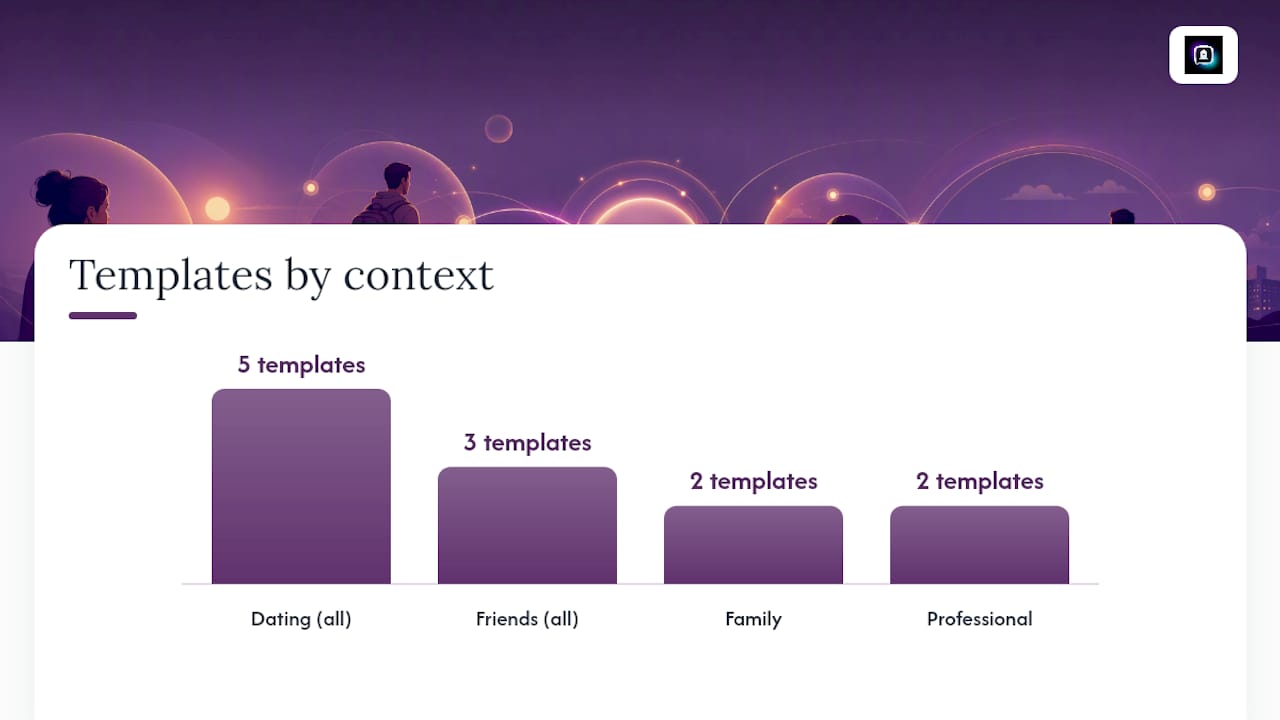
Dating — casual/logistical:
- "Hey! Just wanted to make sure this didn't get buried."
- "No rush, but wanted to check if Saturday still works for you."
- "Circling back on this — let me know either way!"
Dating — emotional: 4. "I know this might need some thought. Whenever you're ready." 5. "No pressure at all — just wanted you to know I'm here."
Friends — logistical: 6. "Hey, quick reminder on this — need to lock it in by tonight." 7. "Pinging you again in case life got crazy!"
Friends — emotional: 8. "Totally understand if you need time. I'm here when you're ready."
Family: 9. "Just checking in — did you see my message from earlier?" 10. "Wanted to make sure this got to you. Call me if easier."
Professional: 11. "Following up on my message from [day] — happy to jump on a quick call if that's easier." 12. "Wanted to make sure this didn't slip through. Let me know if you need anything from me."
Bad follow-up vs. better alternative: ✗ "I can see you read this. Why aren't you responding??" ✓ "Hey, just checking in on this when you get a chance!"
The first escalates. The second keeps the door open. Advice on tone-matching consistently shows that matching the emotional register of the original message produces better outcomes than going higher-stakes.
Pro Tip: Keep your follow-up shorter than your original message. A long follow-up signals anxiety; a brief one signals confidence.
Red flags versus isolated slow replies
One slow reply is a Tuesday. A pattern is a conversation worth having.
Watch for these behavioral signals across time, not single instances:
- Consistent seen-but-no-reply on emotional asks. If someone regularly reads your vulnerable messages and goes quiet, that's avoidance, not busyness. A gentle script: "I notice I don't always hear back when I share something personal. Is there a better way to bring things up with you?"
- Disappearing after intimacy escalates. In dating, pulling back after a deeper conversation is a classic red flag in messaging behavior. One instance might be nerves; two or three is a pattern worth naming.
- Selective responses. They reply to the fun parts of your message and ignore the direct question. This is a form of dark psychology in texting — controlling the conversation by choosing what to acknowledge.
- Stated availability vs. actual behavior. Someone who says "I'm always on my phone" but consistently leaves your messages on read for hours is telling you something about priority, not schedule.
When a pattern repeats three or more times on the same type of message, it's worth a direct conversation rather than another follow-up text.
How to set healthy texting norms before problems start
Most texting friction comes from mismatched, unspoken expectations. Research on read-receipt dynamics shows that when people name their texting norms directly, the anxiety around read receipts drops significantly. Visibility strategist Patrice Williams-Lindo argues that receipts work best as a trust tool, not a test — but only when both people have agreed on what responsiveness actually means.
Conversation starters that work:
- "I tend to check my phone a lot but reply slowly — just so you know it's not personal."
- "If something's urgent, I'll put 'urgent' in the message. Otherwise, no rush."
- "I turn read receipts off not to be mysterious — just to reduce pressure on myself."
- "Can we agree that a same-day reply is fine for most things?"
- "If I go quiet, it's usually because I need to think. I'll always come back."
A simple mutual texting agreement might include: an "urgent" tag for time-sensitive messages, a 24-hour default reply window for non-urgent asks, and a standing permission to say "got this, replying later" without it meaning anything beyond that. On the device side, texting etiquette guidance recommends turning read receipts off when you know your reply pace is slower than your contact's expectations — not as a power move, but as a kindness.
Immediate tactics to reduce texting anxiety while you wait
Rumination after sending a message is normal. Letting it run for hours isn't useful.
- Set a check-back time. Put your phone face-down and give yourself permission to check at a specific time — say, in 90 minutes. One scheduled check beats 40 reflexive ones.
- Name the open loop out loud. Saying "I sent the message, I can't control the reply" interrupts the mental replay faster than trying to distract yourself.
- Shift to a task with a clear endpoint. A walk, a short errand, or a 20-minute work task gives your brain something to close instead of something to keep open.
- Reframe the silence as neutral, not negative. The absence of a reply is information-free until context tells you otherwise. Treat it as a pause, not a verdict.
- Notice if the anxiety is repetitive. If you feel this way after most messages to one specific person, that's a signal about the relationship dynamic, not your texting habits. A boundary conversation or outside support may be more useful than another coping tactic.
Social burnout is real, and it affects both sides of the conversation. The person who hasn't replied may be just as depleted as you feel anxious.
The assumption gap is where most texting pain lives
Most texting pain isn't caused by what someone did. It's caused by the story you built around what they did.
A read receipt tells you one thing: the message was opened. Everything after that — the why, the what-it-means, the what-happens-next — is interpretation. And interpretation, without context, defaults to the worst-case version of events. That's not weakness. It's how brains handle incomplete information.
What actually helps is narrowing the gap between what you know and what you're assuming. The templates in this article exist for that reason. So does naming your texting norms before a situation gets charged. And so does recognizing that a pattern of avoidance looks different from a single slow reply on a Wednesday afternoon.
Clarity over assumption isn't just a nice idea. It's the practical move that keeps relationships from eroding over something that was probably never about you in the first place.
Ghosttextai helps you read the room before you reply
When a message sits unanswered and you genuinely can't tell what's going on, Ghosttextai gives you a second read before you respond.
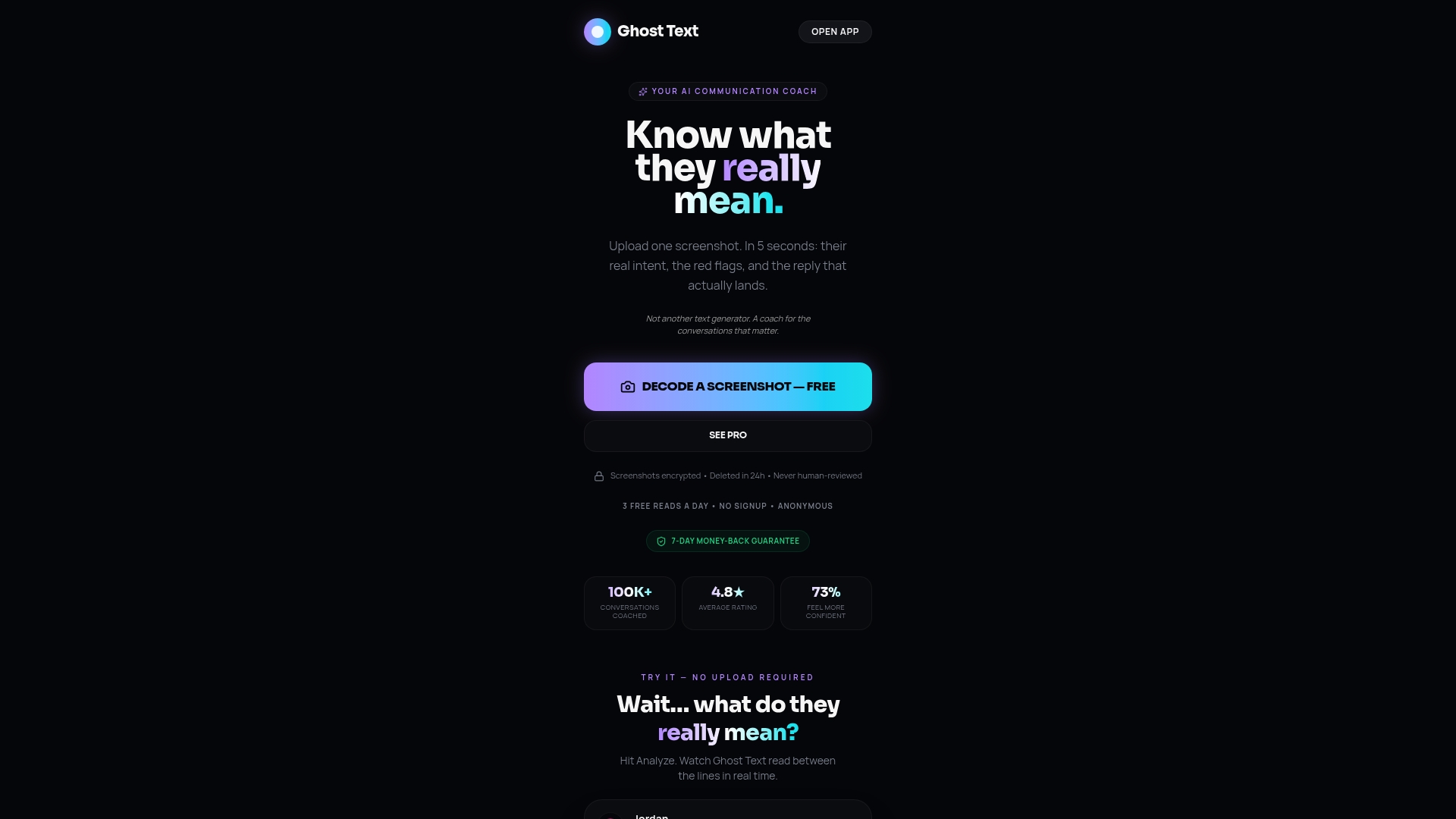
Paste a conversation or upload a screenshot, and Ghosttextai analyzes tone, intent, emotional signals, and red flags in seconds. Say you've been texting someone new and they've gone quiet after a warm exchange — Ghosttextai can flag whether the shift in tone looks like avoidance or just a busy day, and generate a low-drama follow-up that fits the moment. No guessing, no overthinking. Ghost Text Pro adds unlimited reads, advanced red-flag detection, and an interest meter so you can track patterns over time, not just single messages. Start reading messages clearly and spend less time spiraling over a timestamp.
Sources
- What Having Read Receipts Turned On Actually Means For Your Friendships | HuffPost Life
- Exploring the impact of 'read receipts' in Mobile Instant Messaging (JSMS article)
- Why are read receipts so triggering? | Mashable
- Psychology says people who see and read the message but don't reply aren't ignoring you | Economic Times